


Area · St. Tammany Parish, Louisiana
Abita Springs
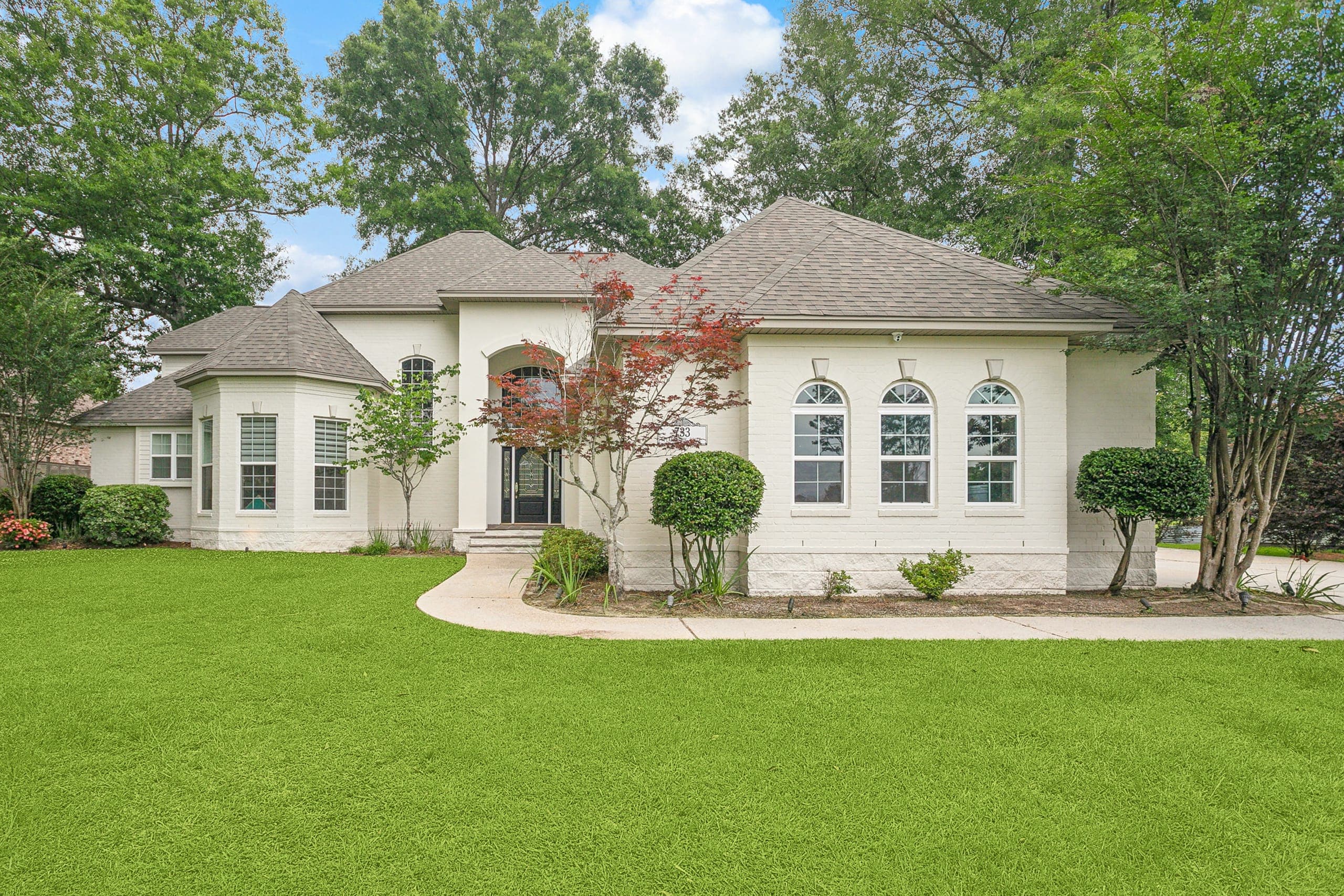
The place
A town founded on the belief that the water would fix you.
People came for artesian springs sold as medicinal in the decades the Northshore marketed itself as the "ozone belt." The grand hotels are gone. What survived is Thomas Sully's two-story pavilion — long said to have been built for the 1884–85 World's Fair in New Orleans and moved up here afterward — standing over the springs themselves. It's still the middle of town, and on a Sunday afternoon there's usually somebody playing under it. The Tammany Trace — thirty-one miles of old rail bed running from Covington to Slidell — passes straight through, which means a bike is a legitimate form of transportation here. The town has never lost its taste for the eccentric: there's a folk-art museum whose most famous resident is a twenty-two-foot alligator-bass hybrid, and an annual parade of push mowers. Housing is cottages, deep porches, and lots with real trees on them.
- Area
- 4.59 sq mi1
- Homes
- 1,2182
- Population
- 2,6313
housing units
www2.census.gov (2020) · data.census.gov (2020) · data.census.gov (2020)
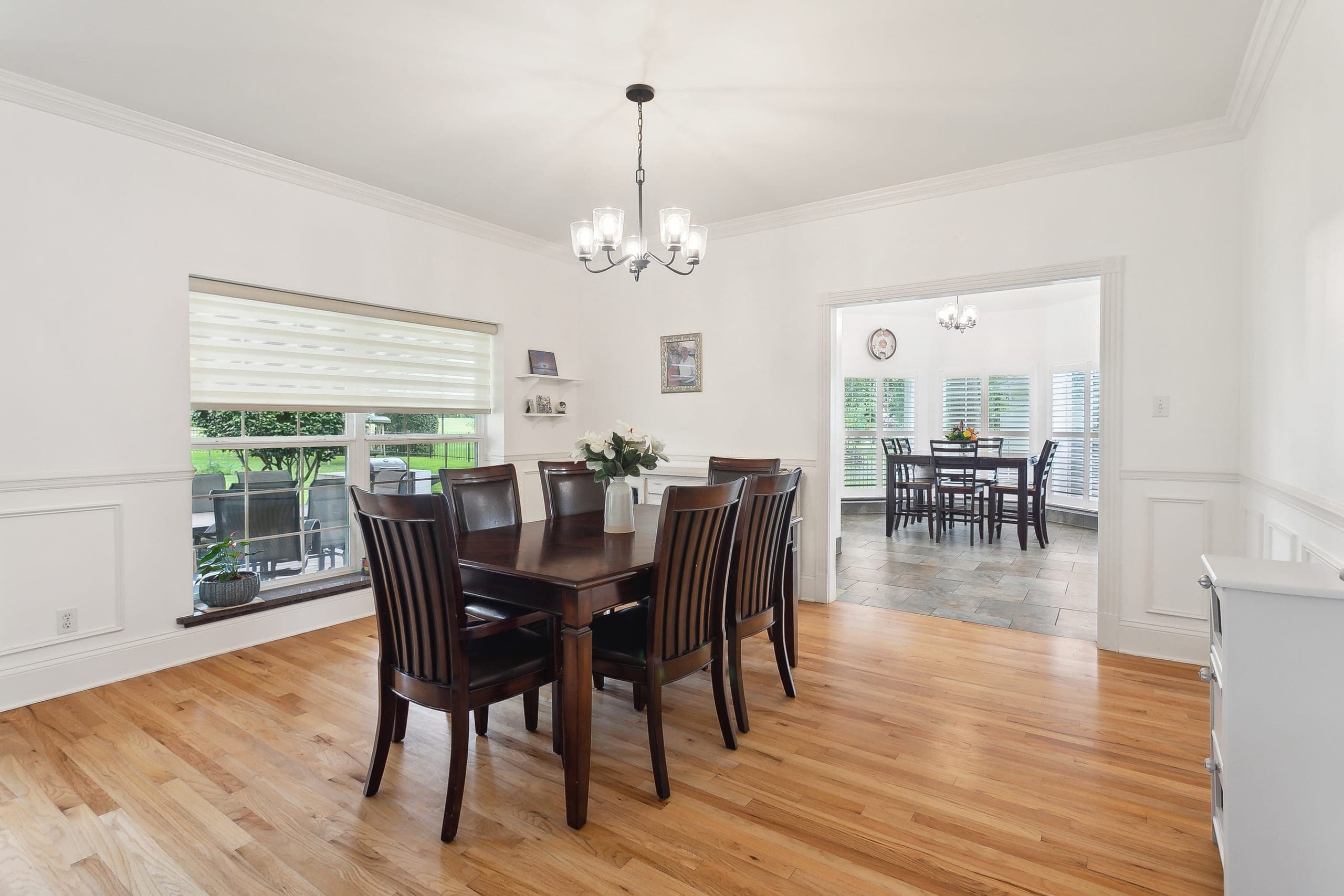
What makes it different
Named for the spring beneath it — a 19th-century mineral-water resort town where New Orleanians summered once the railroad arrived in 1887.
The 1888 spring pavilion at the end of Main Street — octagonal, built directly over the spring — is on the National Register of Historic Places.
Abita Brewing Company, founded 1986, draws its brewing water from artesian wells here — the brewery's stated source.
What brings people here
The Tammany Trace runs through downtown — a 3.55-mile ride from Covington across the Bogue Falaya River.
The Abita Mystery House, a trace-side roadside folk-art museum, sits among the town's restaurants and galleries.
The Trailhead Museum — housed in the 1911 bachelor quarters of the old Longbranch Hotel — doubles as the town's history museum and visitor center.
Around Abita Springs
- Abita Brew Pub72011 Holly St, Abita Springs, LA 70420, USA
- Abita Springs Cafe22132 Level St, Abita Springs, LA 70420, USA
- Mama D's Pizza & More22054 LA-59, Abita Springs, LA 70420, USA
- ACAO CAFE69399 LA-59, Mandeville, LA 70471, USA
- Krispy Krunchy Chicken71011 LA-59, Abita Springs, LA 70420, USA
Powered by Google
Selling here
Selling in Abita Springs?
Neighborhoods
A causeway separates these markets. Almost nothing else about them matches.
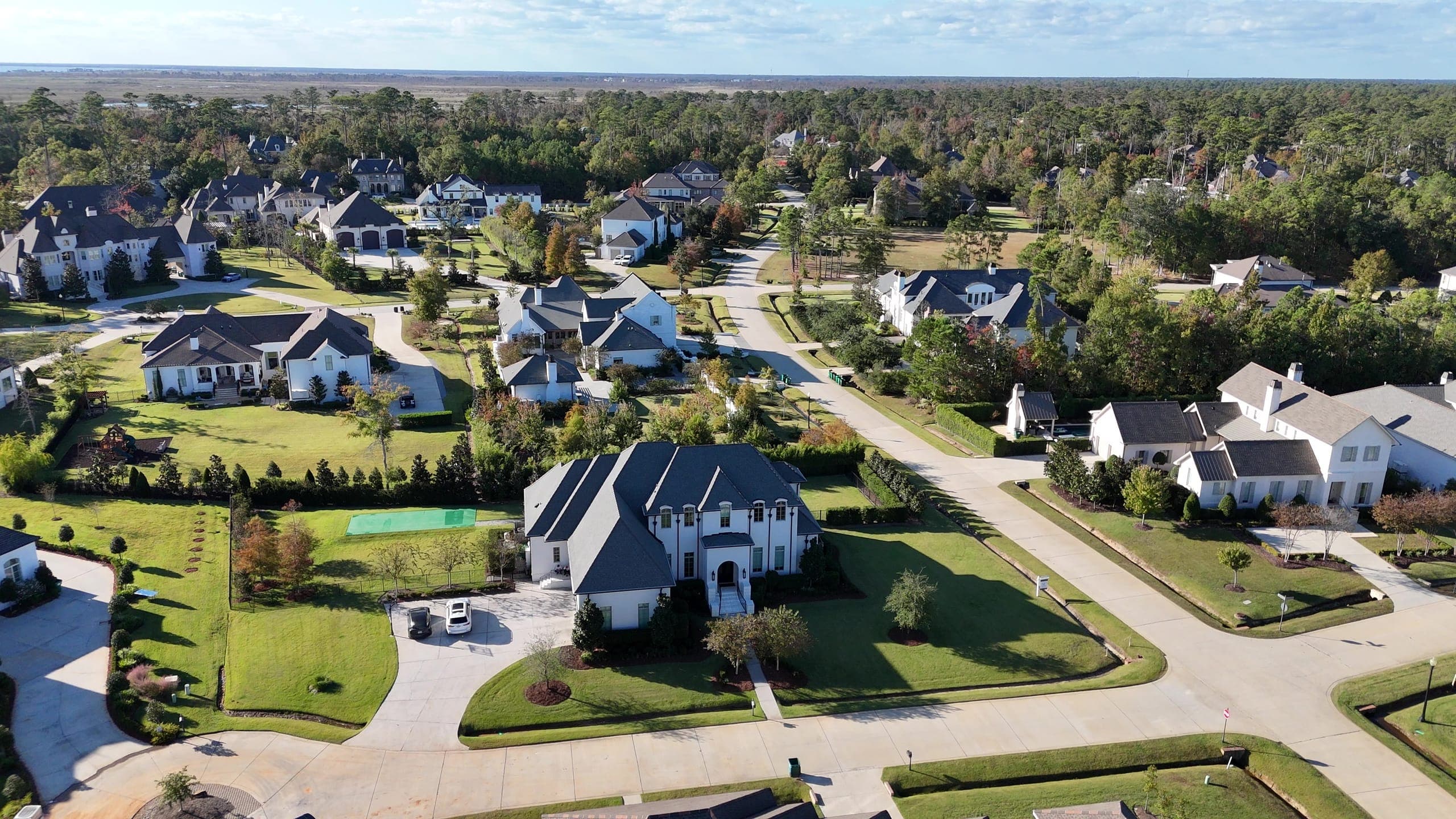
Mandeville
The Northshore's historic gateway.
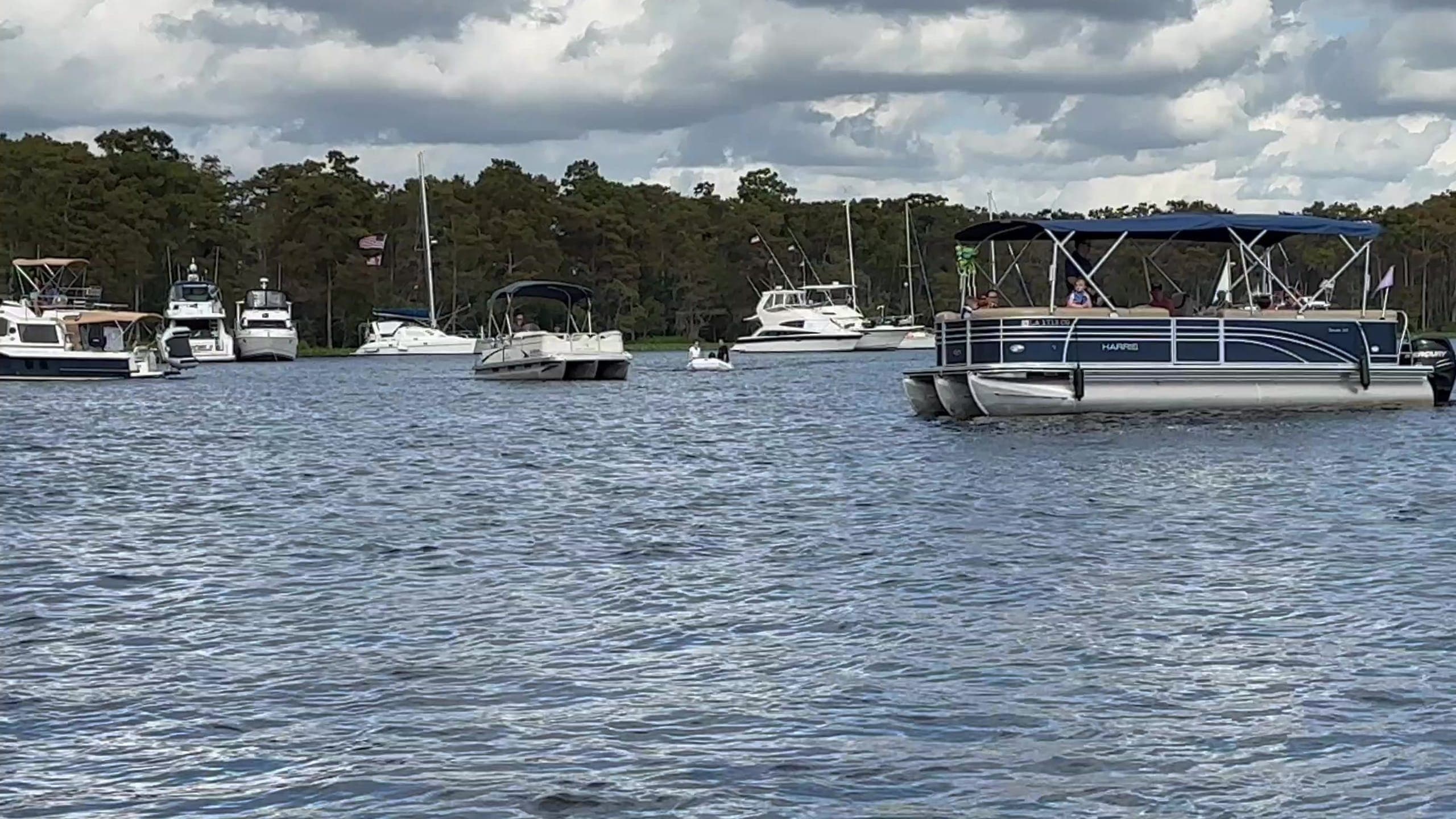
Madisonville
For two hundred years, the answer to "what do people do here" was: build boats.
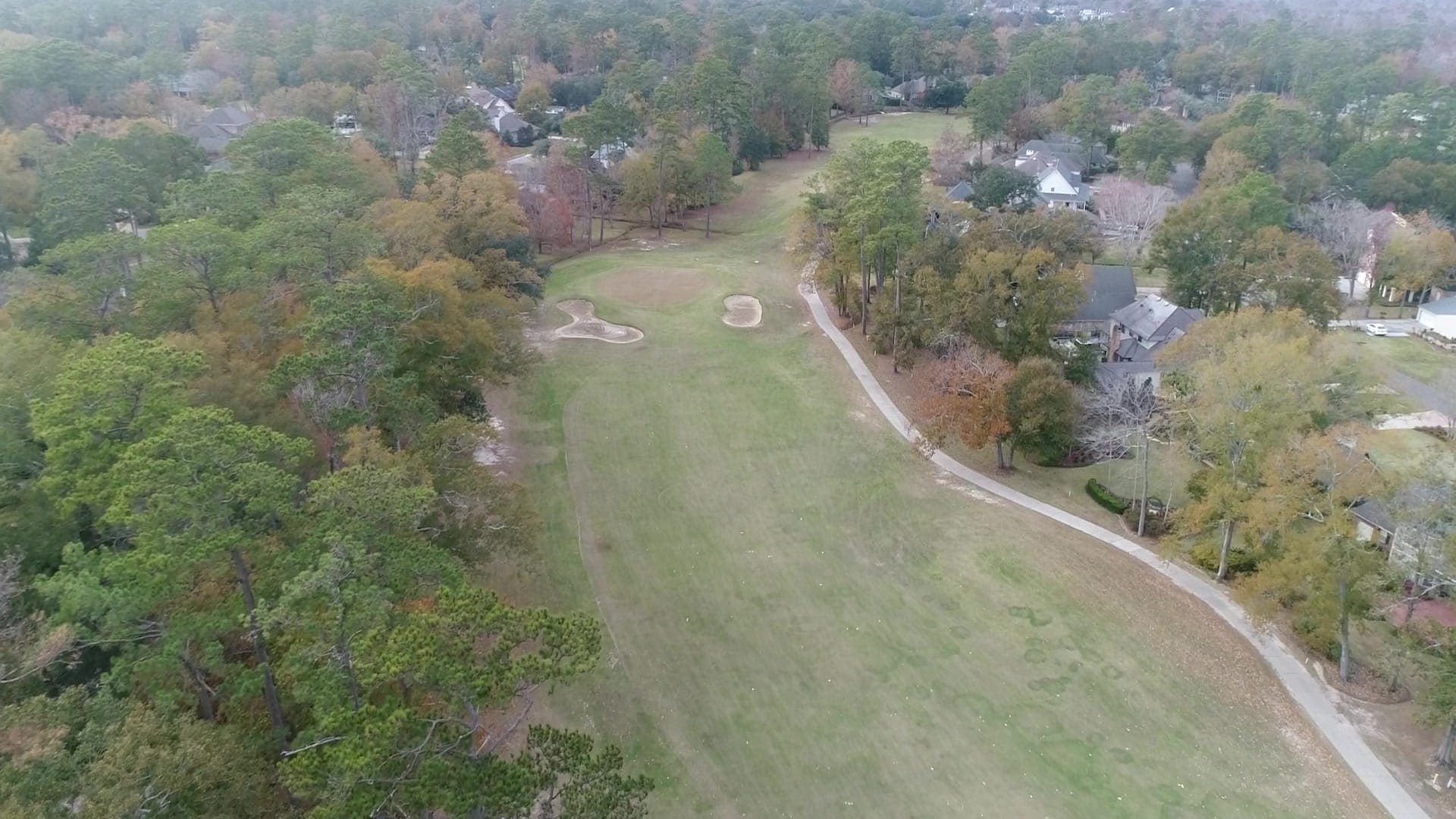
Beau Chêne
Thirty-six holes, a marina on the Tchefuncte, and seventeen miles of road that lead nowhere but home.
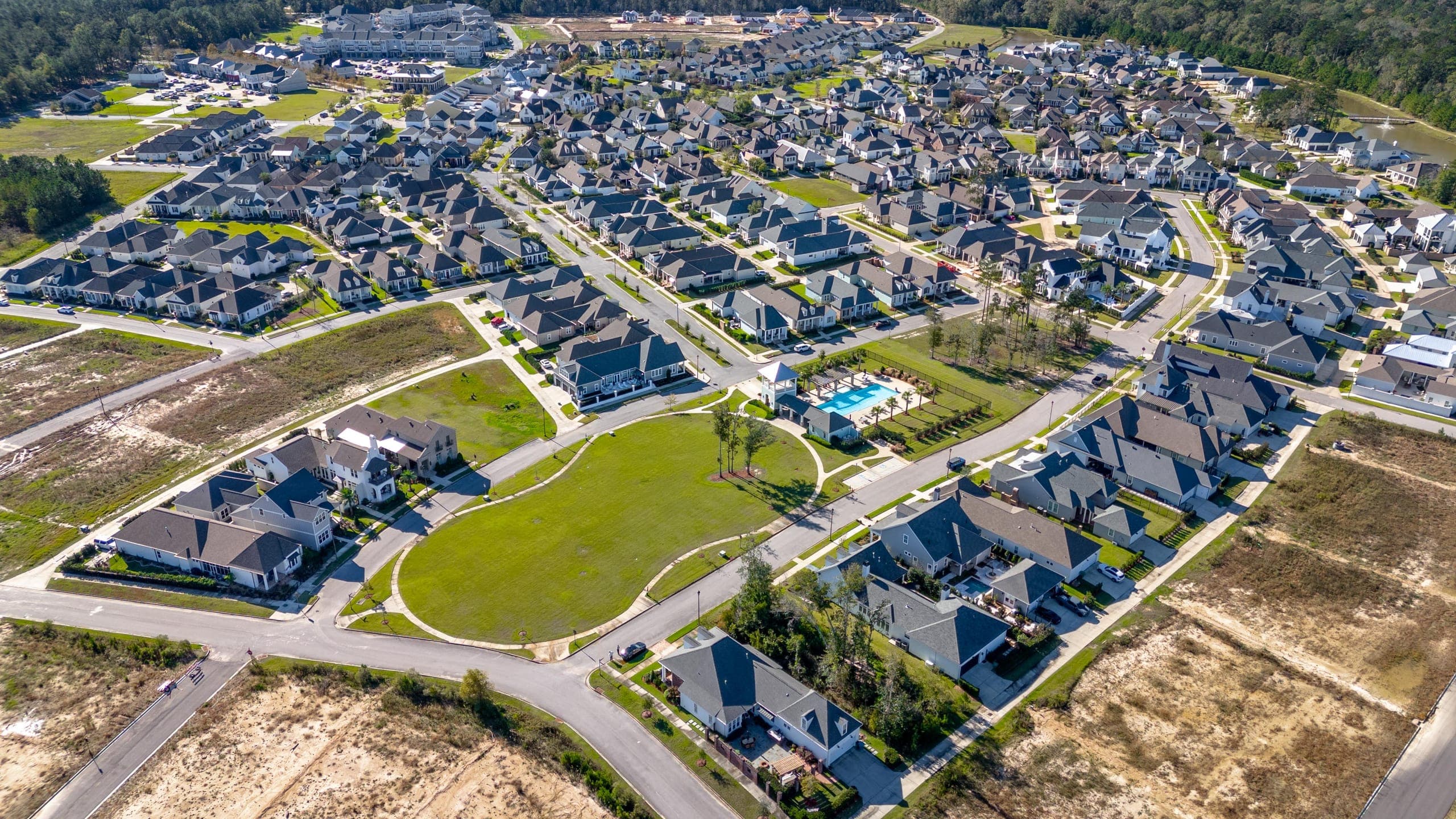
Terra Bella
A planned development where the plan came first — and it's still being built out to it.
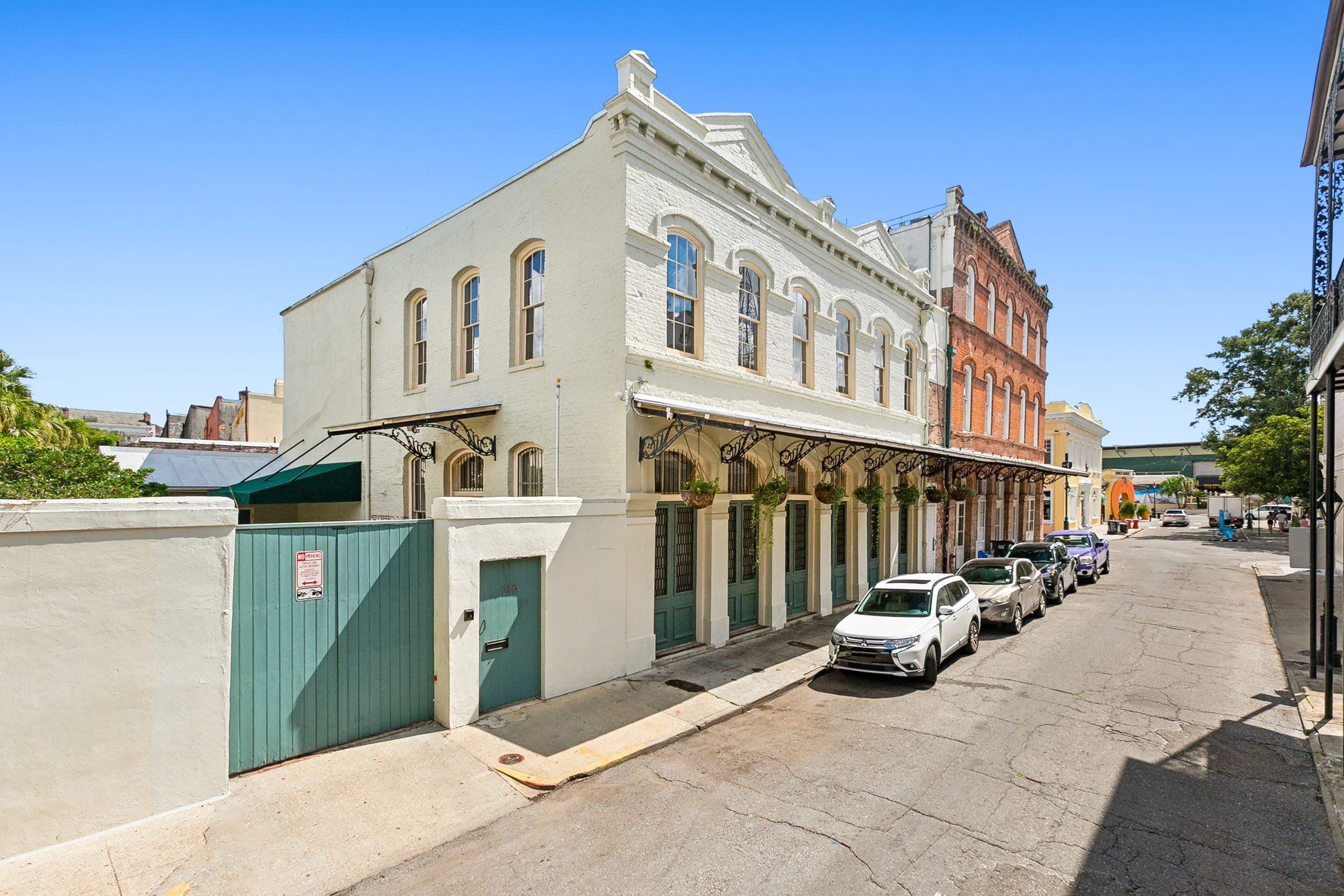
French Quarter
French founding, Spanish architecture, Southern charm, American soul.
Contact
Questions about a street, a subdivision, or what actually sold last month — ask.